Reducing the time to treatment to save more lives



Problem
London Air Ambulance needed a reliable way for paramedics and trauma teams to share patient information during transport.
Team
Role
Product Designer/ Researcher
Duration
Accomplishments


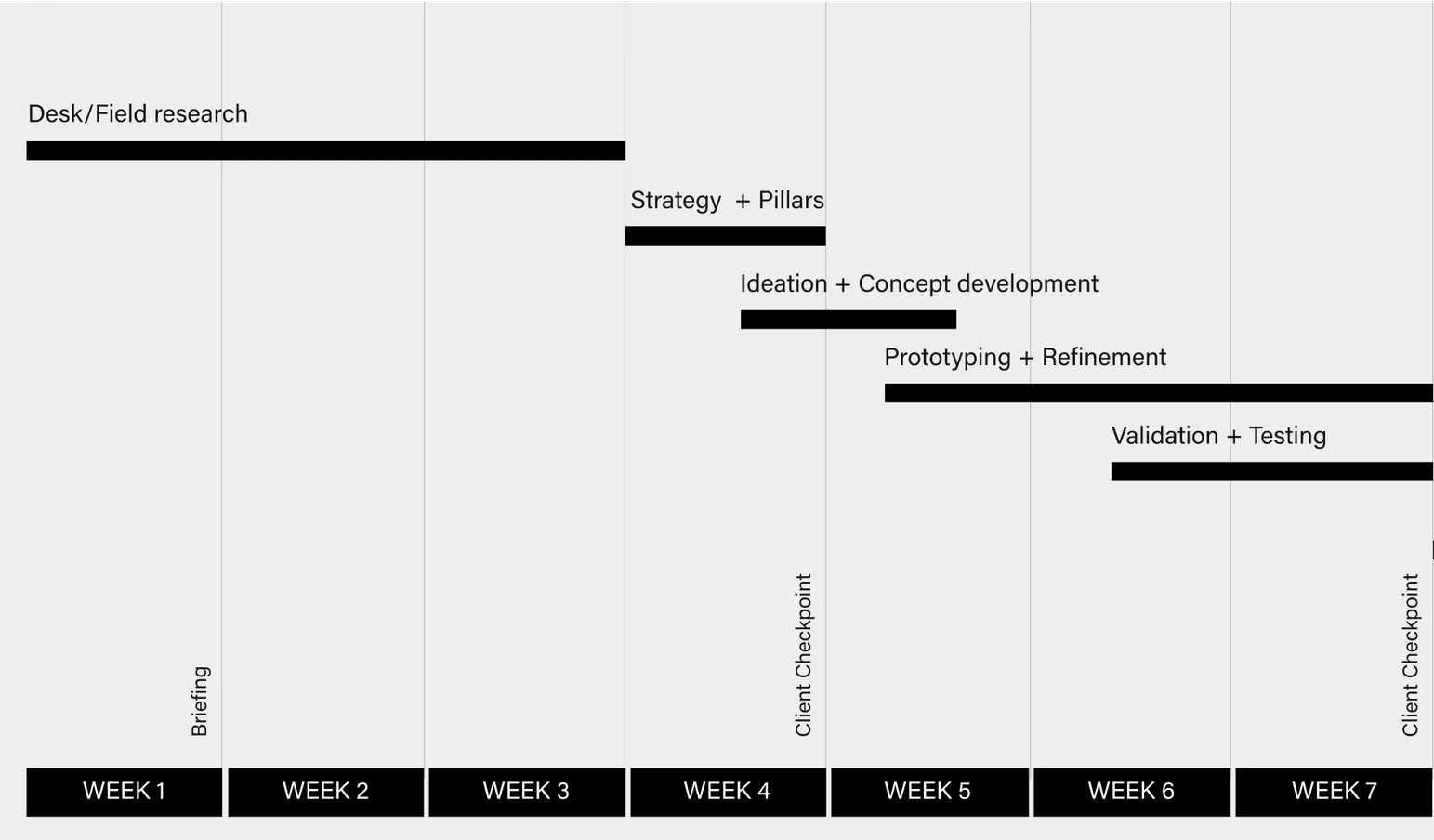
The London Air Ambulance (NHS) needed a tool to facilitate communication in their workflows.
Paramedic-to-trauma bay communication as it stands now is mostly verbal, and there is no standardized or digitized way to stay in contact.
The London Air Ambulance (NHS) needed a tool to facilitate communication between the helicopter paramedic team and the trauma bay team, enabling them to save severely ill patients by monitoring them remotely en route to the hospital.

Problem
London's skies… helicopter buzzing …
Racing against time to save lives.
Yet, upon reaching the hospital, not all vital pieces of the patient's story are known...!
When a London Air Ambulance is dispatched to a trauma scene, treatment starts immediately once the injuries are identified and diagnosed. The helicopter emergency medical service (HEMS) team does its best to control and stabilise the patient on scene and en route until they arrive at the hospital trauma bay, where they can receive more complex treatments and surgeries.
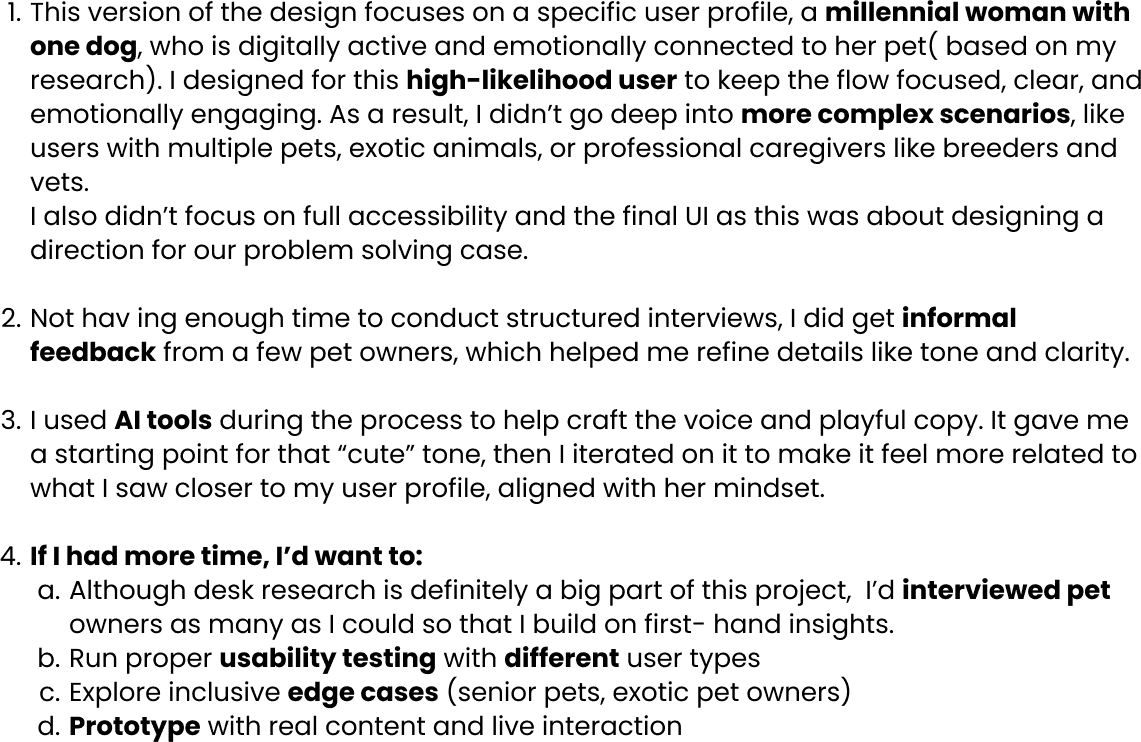
Initial Research
Modes, media, and communication styles among medical teams. during emergency procedures, We're Highlighting weak points.







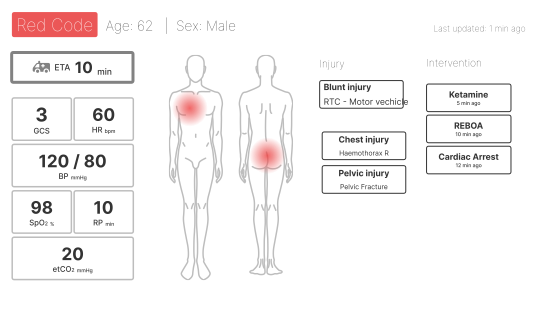
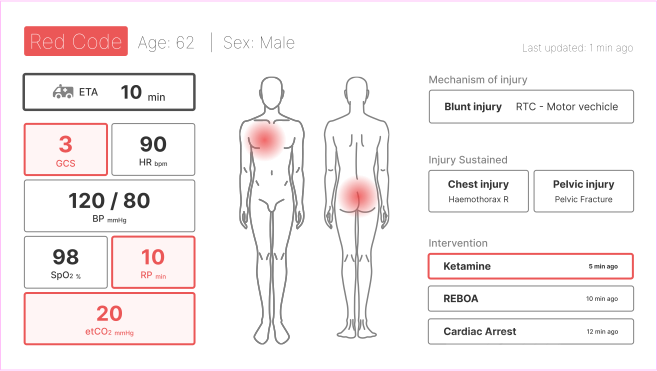
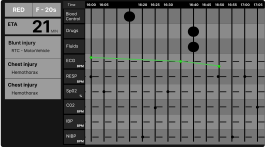
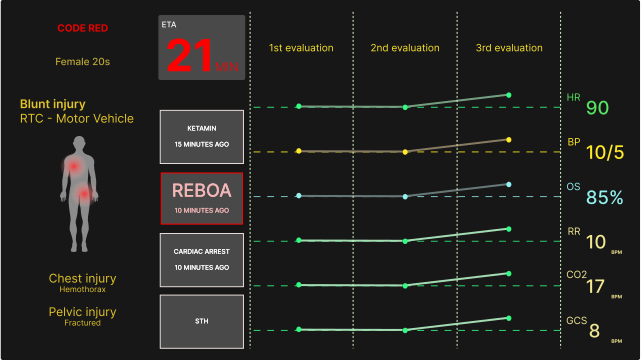
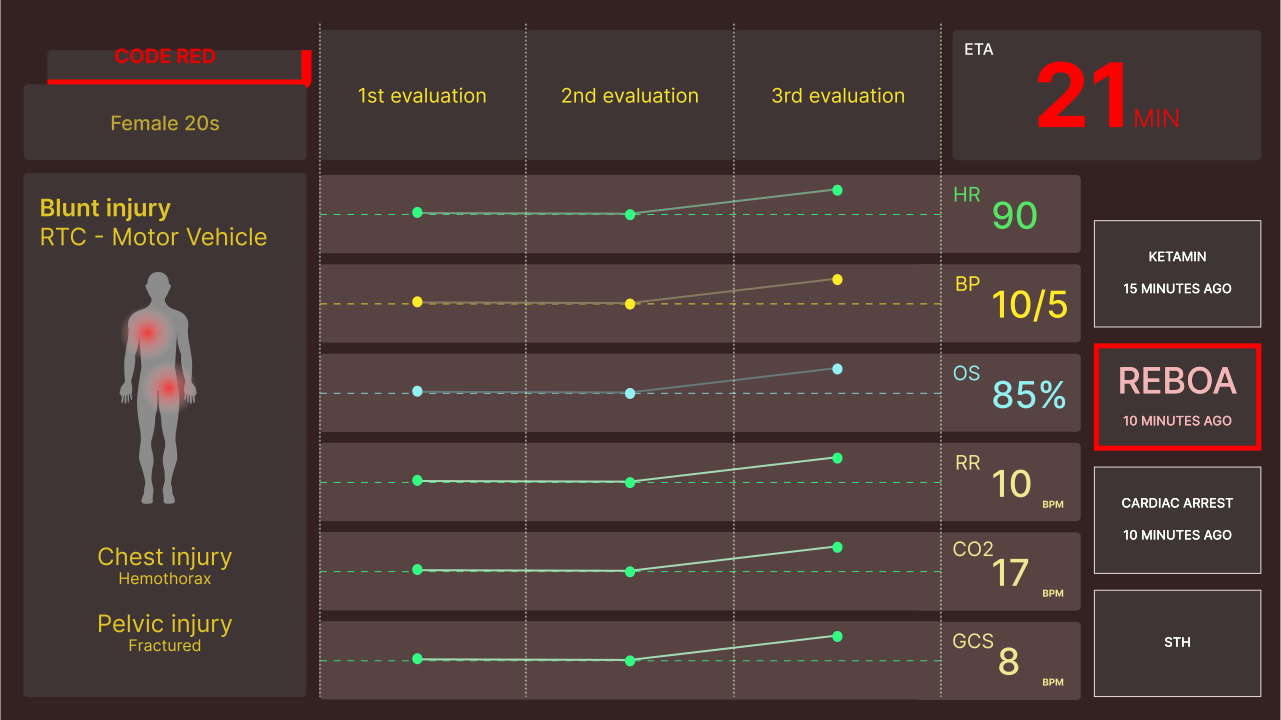
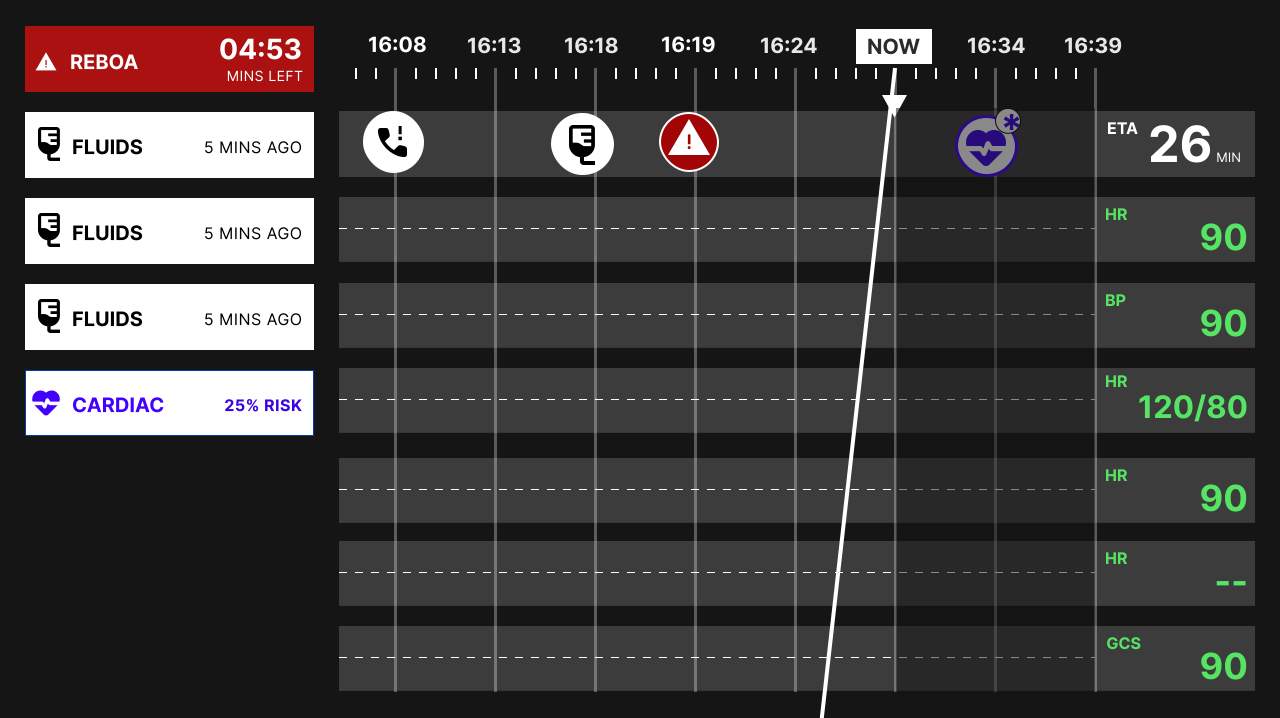
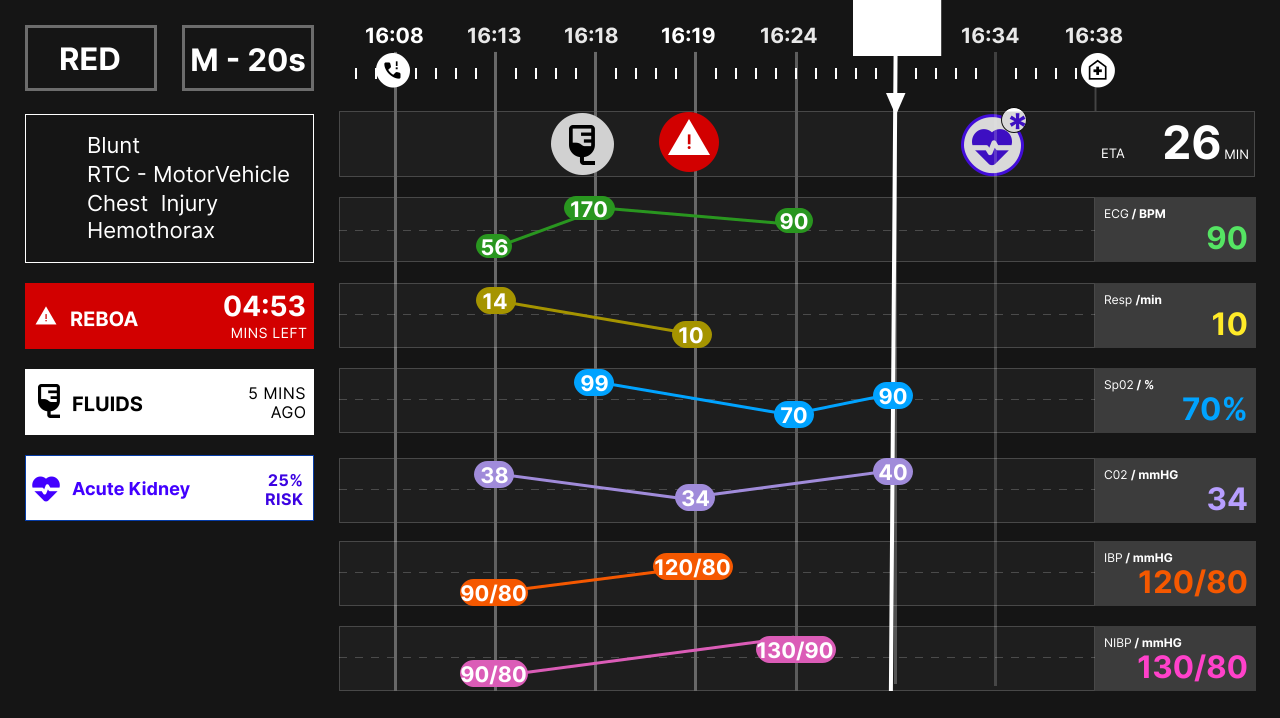
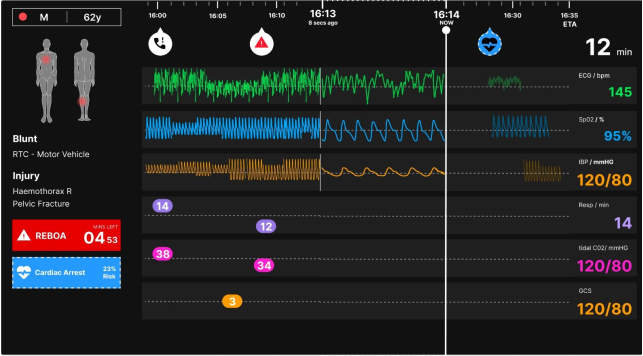
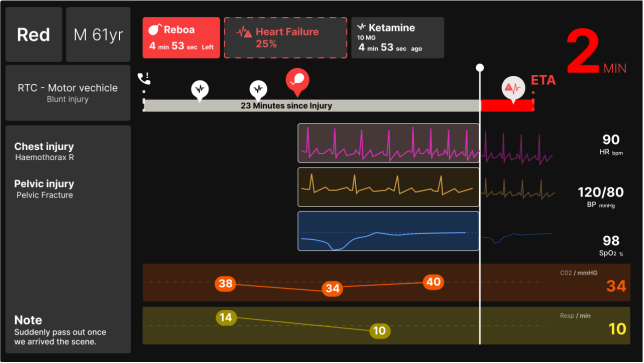
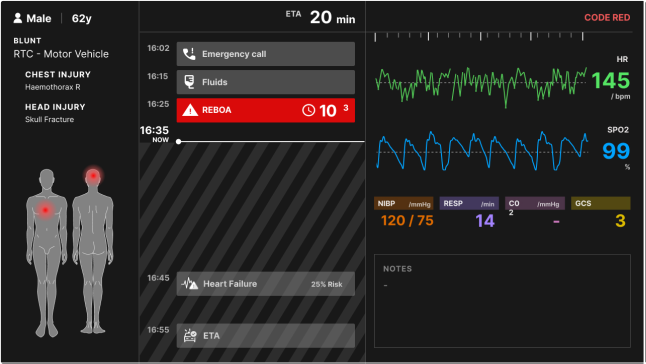
The Accordion Concept aimed to display historical and live trending patient data, but was too complex to be understood at a glance.
Medical personnel informed us that historical data is important for tracking the patient over time. However, the current live trending data is more important as it displays the patient’s actual state at the current time.
The Accordion Concept aimed to display both at the same time by zooming in towards the last 7-9 seconds documented. I named it “accordion concept” as it aimed to expand the perception of time and then shrink again.

After testing this concept in comparison with the other concepts, it did not prove to be successful as it was too unfamiliar and too complex to follow in an urgent use case scenario. It was not properly perceived.
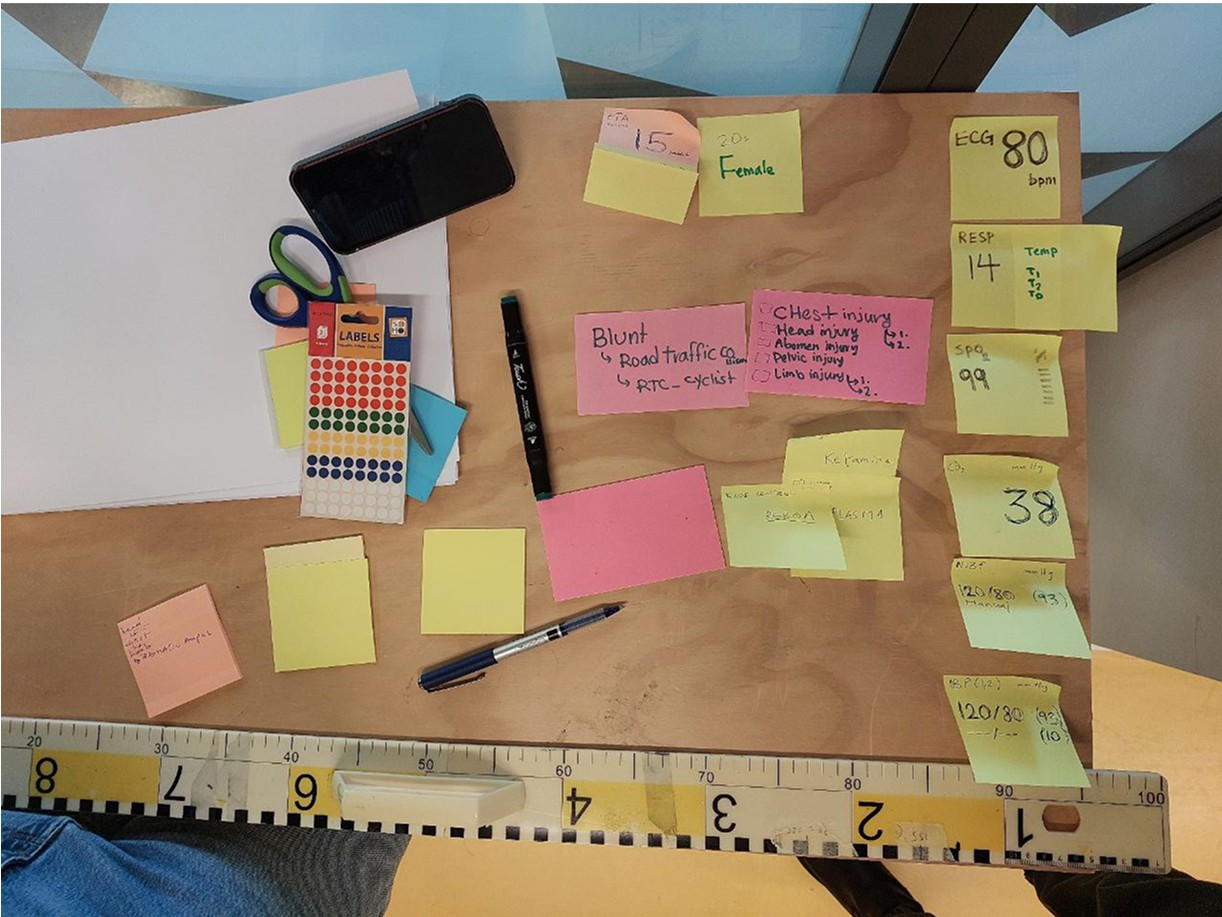
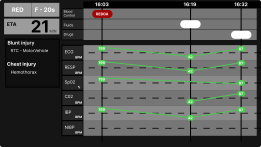
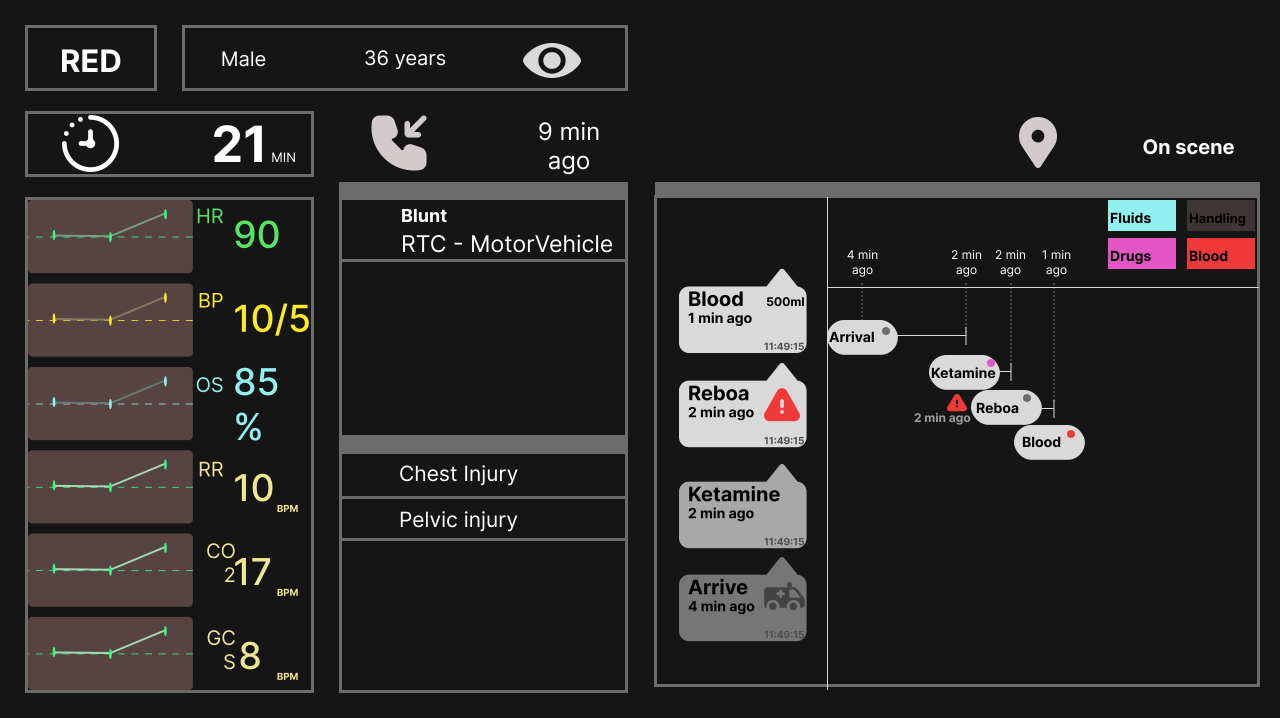
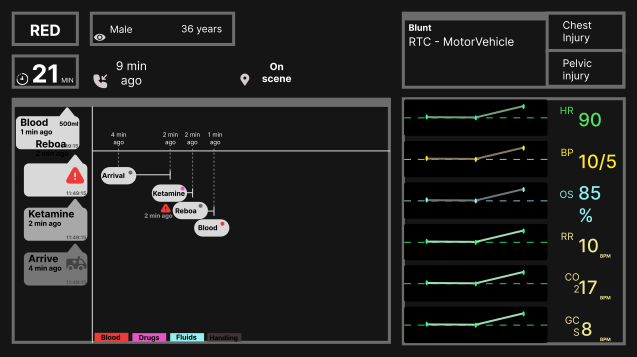
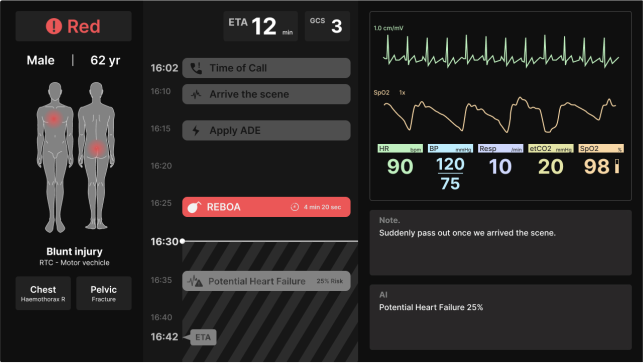
The Calendar Concept: 2 time axes, one for paramedic-intervention events and another for physiology waveforms.
Pin Chun, my teammate, came up with the idea of separating patient interventions and physiologies, instead of having one time axis with everything noted down. In this way, we have a list of past interventions done, the current time marker, and the predicted future through the AI algorithm.

It proved to be the best decision when we tested it alongside the Accordion concept.
Data Visualization
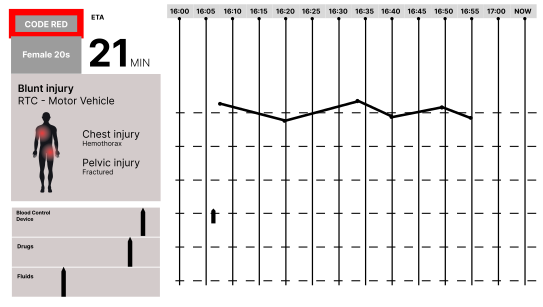
We designed a panel with a live-stream visualisation Of Patient Data Over A 5-Second Timescale And An event-entry axis.
The patient’s ECG, oxygen saturation, and non-invasive blood pressure, are livestreamed through the ZOLL® X Series® monitor/defibrillator that is used by the HEMS team on-scene and en-route to the hospital. The monitor allows data entry in the form of interventions that update the screen’s intervention panel with respective timestamps.
With the assistance of the LAA dispatcher and senior hospital nurse, they can access the screen’s backend system to update manual data entries if needed, such as respiratory rate, C02 saturation, and the Glasgow coma scale. The visualization of the data graph was designed according to conventional patient monitoring systems
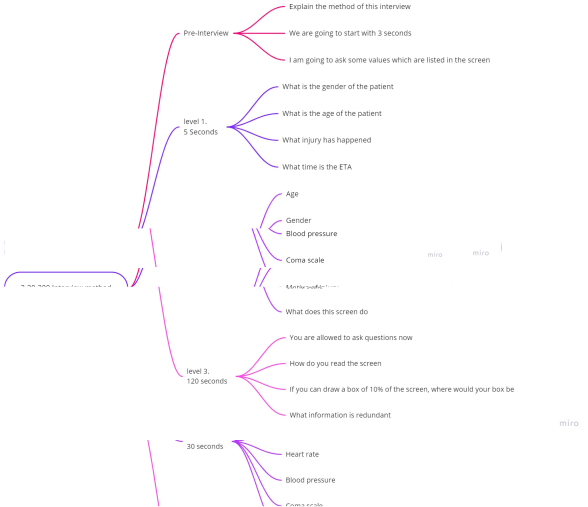
We used the 3-30-300 method To Showcase Our Interface And Ask Testers Questions To Confirm Whether They Could Read It easily.
Lessons Learned
Dismantle, Then Move Fast
Half this project was research, deconstructing the entire emergency workflow to find where communication breaks down. The other half was ruthless iteration.
Deep research isn't slow research. Understanding workflows meant we designed right, and when wrong, we knew immediately.